
Solutions
Solutions by sector
Pick a sector to see what BenKon monitors, how issues are handled, and real examples.
Retail
Know which fridge or AC is failing or burning money — before customers complain.
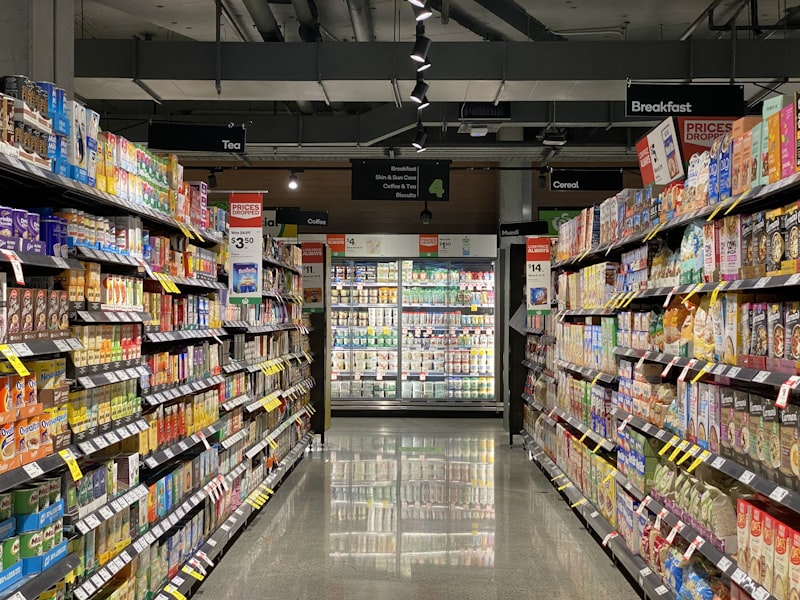
Hundreds of stores, each with a few ACs, a few fridges, lights and signage. BenKon shows your operations team what is happening at every unit in every store — and turns every issue into a task with an owner, verified when it's done.
For: Head of chain operations · Technical lead (M&E)
The problem
- A fridge fails overnight; by morning the stock is already spoiled.
- ACs and fridges keep running after the store has closed.
- Hundreds of stores, and no way to tell which one needs a technician first.
Cost & risk
- Stock spoils when temperatures drift out of range and nobody knows.
- Run-hours outside opening hours — electricity that earns no revenue.
- Technicians arrive at the wrong place at the wrong time; small faults grow into big repairs.
How BenKon handles it
- 1 · Detect
Alerts the moment a fridge runs warm; spots compressors that never rest, weak outdoor units, and units running after closing.
- 2 · Assign & track
Every issue becomes a task tied to the store and the unit, assigned to the right person. Technicians receive the task with a checklist; some faults are fixed remotely, such as switching or resetting schedules. Managers see which tasks are closed, which are open, and which stores keep repeating.
- 3 · Verify
The system reads the data again after the fix to confirm the unit is back to normal.
Devices monitored
Services
Know which outdoor unit stopped and which zone is too warm — before members complain.
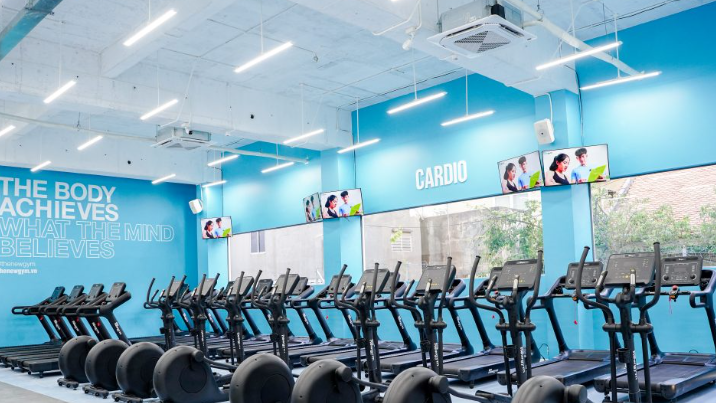
Service chains run high-capacity AC all day across several floors and zones. Customers feel the temperature before the technical team does. BenKon tells you which unit stopped or is running weak, with a checklist, and follows it until it's fixed.
For: Service chain managers · Technical lead
The problem
- A VRV outdoor unit stops, and you only find out when members complain about the heat.
- One zone too warm, another too cold — adjusted by hand all day.
- There's solar, but no one knows how much it actually offsets.
Cost & risk
- Complaints and bad reviews when workout or service areas get hot.
- Units over-cooling empty zones.
- No way to measure the return on the solar investment.
How BenKon handles it
- 1 · Detect
Spots outdoor units that stopped or run weak, and zones outside the target temperature band.
- 2 · Assign & track
The task is tied to the zone and the unit, and sent to a technician with a checklist. Some faults are fixed remotely, such as restarting an outdoor unit; the rest are fixed on site. Managers follow it until it's closed; solar output sits next to consumption, hour by hour.
- 3 · Verify
Power and temperature are read again after the fix to confirm the unit is running normally.
Devices monitored
Real example · 29/09/2026 · Southern Vietnam
VRV outdoor unit stopped
Detected
Automatic diagnosis: VRV outdoor unit stopped, at a site running a VRV system.
On site
Indoor units blowing air but no cooling.
Action
Outdoor unit restarted remotely.
Outcome
Verified: the unit is running normally again.
Schools · public sector
Measure, manage and transparently report electricity savings — with Vietnamese technology.
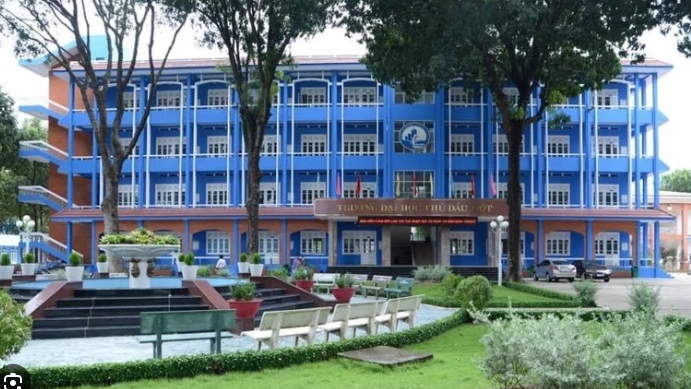
Schools, hospitals and public agencies have annual electricity-saving targets but rarely the tools to measure and prove them. BenKon switches ACs by timetable, compares buildings and rooms, and catches rooms left running — with data you can report.
For: Facilities management · Estates office · Project management units
The problem
- Classroom ACs left on after lessons end.
- Many buildings, and no way to tell which building or room is costly.
- The timetable keeps changing; on/off schedules can't keep up.
Cost & risk
- Electricity spent on empty rooms after lessons.
- Savings are hard to prove with measured data.
- Assets aren't monitored once the investment is made.
How BenKon handles it
- 1 · Detect
Spots rooms where the AC was left on after lessons and rooms running outside the timetable.
- 2 · Assign & track
Alerts go to the right building and the right facilities officer. Automatic on/off by timetable; forgotten rooms switched off remotely. Periodic reports by building and room — usable for electricity-saving reports.
- 3 · Verify
Measured data confirms units are off and building consumption drops on time.
Devices monitored
Distributed investment, central data, unified governance
One data source for every level: the governing body sees all assets and energy, sets standards and reports; the local level monitors its area and coordinates fixes; each school monitors and runs its own schedule within the common standard.
Governing body
Central governance · standards · reporting
Local level
Area monitoring · coordinating fixes
School / site
Monitoring · schedules · automation
Assets
Air conditioners · solar · meters · sensors
Governing assets after the investment
BenKon tracks every asset across its lifecycle: whether each air conditioner is used, cools and is working, and whether solar delivers its expected yield. Every asset has an alert history and a record of fixes.
Air conditioners
- 1Installed
- 2Online
- 3Cooling as designed
- 4Maintenance
Solar
- 1Installed
- 2Generating
- 3Meeting expected yield
- 4Maintenance
Every asset has a status, operating data, alert history and a record of fixes.
Research with Thu Dau Mot University — Springer publication (2025)
An AC control framework using BenKon IoT devices and computer vision, tested in one university building; about 13.38% daily electricity savings within the scope of the study.
Details↗2 Vietnamese patents granted (2025), 5 pending
Patents No. 53649 and No. 53000, granted to BenKon Joint Stock Company by the Intellectual Property Office of Vietnam. Hardware and platform designed by Vietnamese engineers.
Top 10 Make in Viet Nam 2024
"Centralised management and automation system for air conditioners" — Ministry of Information and Communications, Decision 07/QĐ-BTC, 31/12/2024.
Healthcare
Equipment rooms, storage fridges, air conditioning — monitored 24/7, fixed before patients are affected.
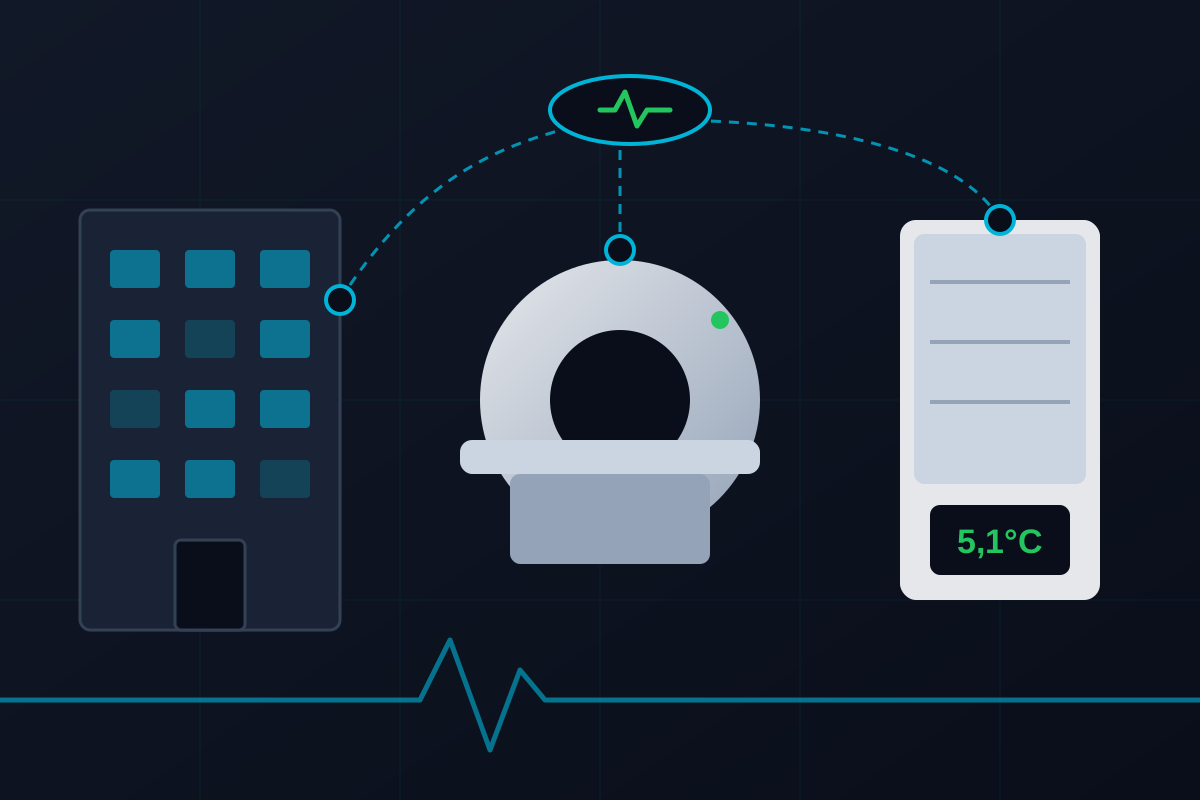
Hospitals, clinics and diagnostic centres run continuously, with equipment that cannot be interrupted. BenKon fits measurement devices without touching the equipment, monitors air conditioning, equipment-room temperature, storage fridges and energy; every issue goes to the right person and is verified after the fix.
For: Operations heads of clinic and diagnostic chains · Hospital facilities management · Technical leads
The problem
- Issues happen when no one is on shift: who knows, who fixes?
- Storage fridges drift outside 2–8°C without anyone noticing in time.
- Equipment-room incidents: hard to prove whether cooling or power was the cause.
- Incident information scattered across logbooks and messages.
Cost & risk
- Scans and appointments disrupted when equipment rooms overheat.
- Medicines and biologicals discarded when storage temperature goes out of range.
- Missing records when explaining incidents to regulators or equipment suppliers.
How BenKon handles it
- 1 · Detect
24/7 monitoring of air conditioning, temperature and humidity in equipment and server rooms, storage fridges and energy; early signs such as fridge defrost cycles getting longer.
- 2 · Assign & track
Alerts reach the technician on duty; if not handled in time, the manager is notified. Air conditioners running after hours switch off automatically where permitted.
- 3 · Verify
Measurements are taken again after the fix to confirm temperature and power are back within range; incidents are recorded and reported per site and per unit.
Devices monitored
At each air conditioner: metered at the breaker, controlled like a remote
A clamp meter sits after the breaker in the distribution board — no cutting circuits, no opening the unit. An infrared controller near the indoor unit works like a remote, so installation is quick and the manufacturer's warranty is unaffected.
Equipment rooms: monitoring only, no interference with medical equipment
Clamp meters on the breakers of imaging equipment and equipment-room cooling; the BenKon enclosure sits outside the board. Power over time flows to the platform with alerts on anomalies — and serves as evidence when finding the cause of an incident.
Equipment-room board
BenKon enclosure
mounted outside the board
Imaging equipment
42.8 kW
● Running
Equipment-room AC
12.5 kW
● Running
Monitoring only — no control of medical equipment.
Typical scenario: a 2–8°C storage fridge
Defrost cycles getting longer are often an early sign of an iced-up evaporator, fan or heater problem — before the temperature passes 8°C. BenKon alerts on this early sign, assigns the task to the owner and verifies once the temperature is back in range.
Storage temperature, 24 hours (°C)
2–8°C range
Defrost duration per cycle (minutes)
Alert threshold 30 minutes
Detect21:40
Defrost ran 42 minutes; temperature 9.4°C.
Assign & track21:41
Technician and fridge owner alerted; manager after 15 minutes.
Verify22:30
Back within 2–8°C; time above range recorded.
Offices · buildings
AC and lights run only when people are there — energy by floor, zone and hour.
Empty meeting rooms stay cold, a whole floor runs for a few people working late, and the bill is a single number. BenKon connects occupancy sensors, ACs, lighting circuits and meters into one operating loop: see it, switch it off, verify it, report it.
For: Building managers · Office administration
The problem
- Empty meeting rooms with AC and lights on.
- A few people working late, and the whole floor's AC running.
- One number on the bill, and no idea which floor costs most.
Cost & risk
- Electricity for empty rooms and unoccupied zones.
- Whole floors running after hours for a few people.
- No way to allocate electricity cost by floor or department.
How BenKon handles it
- 1 · Detect
Spots unoccupied zones with AC or lights on, and units running outside working hours.
- 2 · Assign & track
Alerts go to building management by floor and zone. ACs and lights switch off automatically when a zone empties; after-hours running is blocked. Energy reports by floor, zone and hour to allocate cost and adjust operating policy.
- 3 · Verify
Sensor and meter data confirm the zone is off.
Devices monitored
Hotels
Empty rooms don't run AC; weak units are caught before guests complain.
Guest experience depends on an AC that works; cost depends on whether empty rooms switch off. BenKon tracks every room — run-hours, energy and actual temperature — and turns every issue into a task for the engineering team.
For: Hotel general managers · Chief engineers

The problem
- Empty rooms with the AC on.
- Guests complain a room isn't cool, while the unit has been weak for a long time.
- No visibility of run-hours and energy per room.
Cost & risk
- Electricity for rooms with no guests.
- Bad reviews when rooms aren't cool.
- Emergency repairs when a unit fails in peak season.
How BenKon handles it
- 1 · Detect
Spots empty rooms with units running, and rooms too warm even with the unit on.
- 2 · Assign & track
Tasks go to engineering with the room number and unit. Units are adjusted remotely where appropriate; technicians check weak units in the room. Energy and run-hours per room, per day; which rooms keep repeating.
- 3 · Verify
Room temperature and unit power are read again after the fix.
Devices monitored
Real example · 05/10/2026 · Central Vietnam
Room above the heat threshold
Detected
Automatic detection: room temperature above the hot threshold, repeated over 2 days.
On site
Unit blowing air but no cooling.
Action
Unit switched on and held on remotely.
Factories · warehouses
Track load and efficiency of every large unit; maintain when the machine actually needs it.
High-capacity cooling for production floors, warehouses and offices runs across multiple shifts. When a unit overloads or fails mid-shift, the cost is productivity. BenKon tracks the load and efficiency of every unit so maintenance acts on the right machine at the right time.
For: Plant managers · Maintenance leads

The problem
- Large units overload and fail without warning mid-shift.
- Maintenance follows a fixed calendar, not the machine's real condition.
- Hot production areas hurt productivity.
Cost & risk
- Production disruption when a unit fails unexpectedly.
- Maintenance spent at the wrong time on the wrong machine.
- Lower productivity in hot production areas.
How BenKon handles it
- 1 · Detect
Tracks load and efficiency per unit; spots overloaded or wasteful units.
- 2 · Assign & track
Tasks go to the maintenance team with the unit and area. Condition-based maintenance on the units that need it. A history for every unit to plan replacements.
- 3 · Verify
Load and temperature data after maintenance confirm the unit is back to normal.
Devices monitored